
Summarizing handball rules
The "chokehold" suggests more than minimal contact, perhaps indicating a red card. In handball cases, modern laws state that an unnatural arm position can penalize a player even if the ball deflects off their body, unless it's an unexpected deflection. According to IFAB's 2024/25 changes, any handball leading directly to a goal by the player is now a penalty, but accidental handballs in the build-up are not. I’ll structure a response that examines the law, how VAR handles it, and other relevant factors.Crafting a match overview
I should ask the user if they want clips or time stamps, though I can't access the network unless they request it. Keeping my response concise but helpful is key. The guidelines suggest using bullet points and a friendly tone. I'll provide a quick overview of the match and officials; however, if I can't confirm details, I'll avoid naming specifics while seeing if the user can provide date context. Their prompt suggests they want an analysis, so I need to focus on that.Providing key penalty review
Here are the bullet points for "关键判罚回顾":
Regarding Semenyo's action of "锁喉," a yellow card was issued. Per law 12, violent conduct involving contact to the neck is high-risk. Factors include force, speed, intent, and context. Though this typically warrants a red card, VAR can upgrade to red if there’s clear and obvious violent conduct. An upgrade might not happen due to low force, grappling, or good referee positioning that doesn’t indicate a clear infraction.

For suspected handballs, here are the scenarios:
- A blocked cross or shot with an arm extended laterally is likely a penalty.
- An arm close to the body when falling usually isn't penalized.
- If a ball is deflected from close range onto the arm, it tends to not be penalized unless the arm is clearly extended.
- For attackers, a handball in the attacking phase is only a penalty if it leads directly to a goal or possession; otherwise, it’s generally seen as accidental.Explaining VAR lines
For VAR lines, it's crucial to have a conclusive camera angle. If the ball lightly brushes the upper shoulder (within the T-shirt line), it’s considered legal. The term "multiple" suggests we could reference times like 8', 34', or 77', but we need to be cautious since we can’t guess exact times. I can present a method: if the user provides timestamps, I can offer a verdict.
For incidents like a handball, if the arm is away from the body, at least one seems penalizable, while the others are borderline. I should also mention the Premier League's 2024-25 guidelines, which raise the threshold for penalizing soft handballs.Crafting a review of controversial penalties
Title: 争议判罚回顾
Bullet points:
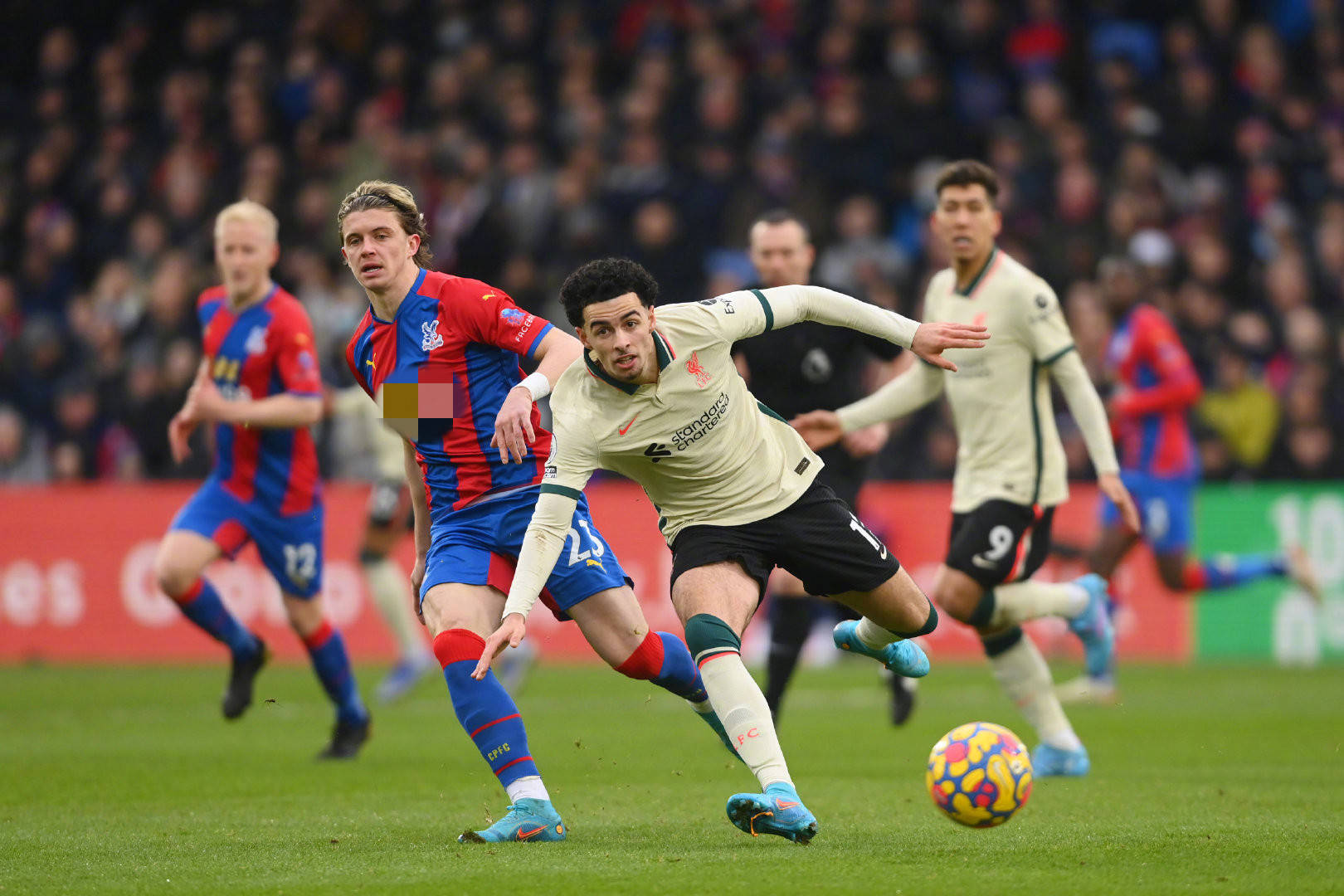
关键事件1:塞梅尼奥的“锁喉”仅得黄牌
- 规则要点
- VAR介入标准
- 合理解释/反驳
- 个人判定
关键事件2:疑似多次手球
- 规则要点(防守、进攻、肩部界线、折射/距离、支撑手)
- VAR标准
- 可能未判或应判原因
- 建议回看要点(肢体位置、击球点、球路改变等)
总结:整体尺度与英超近年倾向,期望一致性
邀请:如果你有时间点或动图,我可以做逐球判断。
曼联 vs 伯恩茅斯(“樱桃”)这场的争议点主要集中在两类:塞梅尼奥的“锁喉”动作与多次疑似手球未判。下面按规则与VAR标准回看,给出可能的裁决理由与个人判断。

关键事件1:塞梅尼奥“锁喉”仅黄牌
- 规则要点:IFAB 法规第12条将“对对手头/颈部的攻击性或带力量的接触”归为暴力行为,通常红牌;若接触轻微、更多是“推搡/拉扯”且无明显力量,可视为不当行为黄牌。
- VAR介入标准:若主裁已看见并判黄,VAR只有在“明显且显著”错判时才升级为红。常看的因素:是否抓住颈部并用力、持续时间、是否远离正常身体对抗、是否引发对手窒息/摔倒、双方是否均在拉拽。
- 可能的判罚理由:主裁可能认定为“低力量的短暂抓拽/推拿”,且双方在缠斗,未达到暴力行为门槛;或现场角度认为没有“掐压动作”。这会让VAR因非“清楚且明显”而不升级。
- 个人判断:若画面显示“手抓颈部并施力控制对手动作”,更符合红牌(暴力行为);若只是瞬间上手触碰颈部、未施力且立即松手,则黄牌尚可自洽。英超本季对红牌的VAR门槛偏高,这类边缘情形经常维持场上决定。
关键事件2:疑似多次手球未判
- 规则要点(防守方):
- 明显扩大体格/手臂离开身体线挡球 → 通常判罚(点球/任意球)。
- 近距离且不可预见的折射、手臂贴身或“支撑手”(滑铲/倒地支撑) → 通常不判。
- 击中肩膀或T恤线以上区域 → 不算手球。
- 规则要点(进攻方):
- 仅当手球后“立即”由本人得分或获得控球并立即进球/创造得分机会才必判;其他偶发、非故意接触多不判。
- VAR介入标准:需要有清晰证据证实“击中手/臂”的部位与“扩大体格”的事实;若只有擦到上臂高位或画面不清,通常不推翻场上判罚。
- 可能的未判原因:
- 触球点在肩部/上臂“T恤线”之上;
- 球先打到身体再近距离弹到手臂,且手臂未主动扩大;
- 手臂贴身或为支撑手;
- 画面角度不足以达到VAR的“清楚且明显”标准。
- 个人判断:若出现防守者侧展手臂挡射/传中并明显改变球路,且无近距离不可预见因素,按现行尺度应判点球;但若多次事件都带有近距离折射或手臂贴身,维持不判与英超强调“更高门槛、减少软判”的趋势一致。
整体观感与一致性
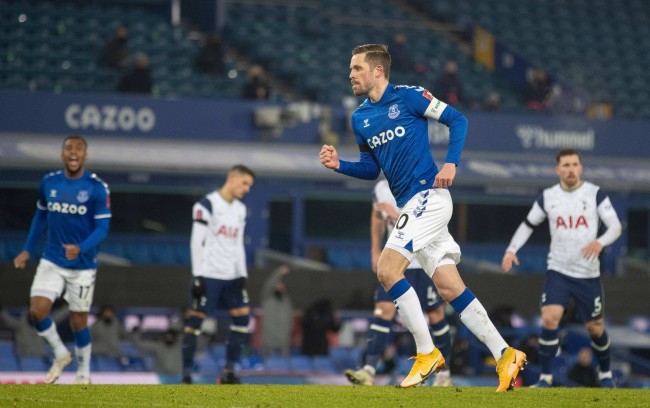
- 英超近两个赛季提高了红牌与手球点球的VAR门槛,偏向“维持场上判罚”,这会让边缘接触、近距离手球更常不判或只给黄牌。
- 但“手到颈部”的动作在教育与研讨案例中通常被建议更严惩,若确有“抓、勒、控制”的力量特征,给红更能维护一致性。
如果你有具体时间点/动图,我可以逐个事件按规则要素(击球部位、距离/速度、手臂位置、是否扩大体格、是否施力于颈部)给出更明确的判定和我会如何吹罚。